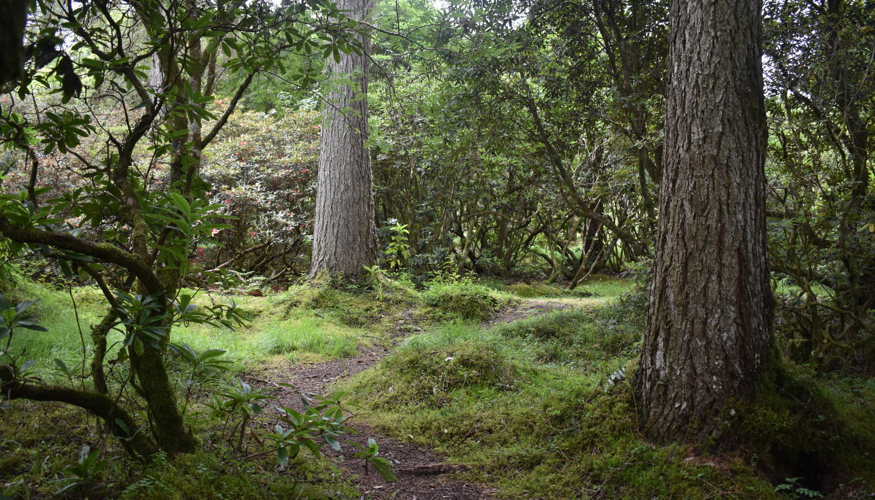
Crarae Woodland Garden is a truly magical place. Tucked away on a hillside overlooking Loch Fyne in Argyll, it has a global collection of plants and offers a new delight around every corner.
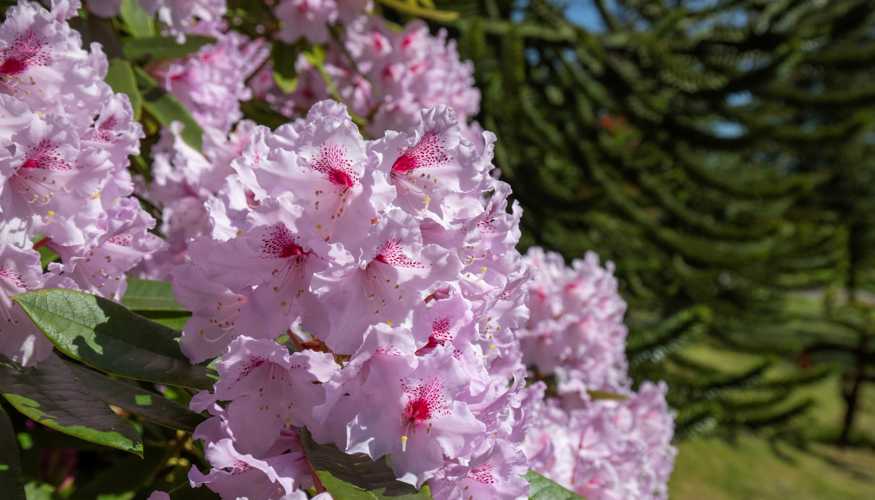
This wild ravine was begun to be tamed in the early 19th century when the landowner at the time planted larches on the hillside. However, it was Grace, Lady Campbell, who started to develop the garden was know it today a century later, in 1912. She established a woodland area with shrub borders and groups of rhododendrons, an epitome of Edwardian fashion and taste. Lady Grace was the aunt of intrepid plant collector Reginald Farrer, who brought back trees and shrubs for her from China, Nepal and Tibet.
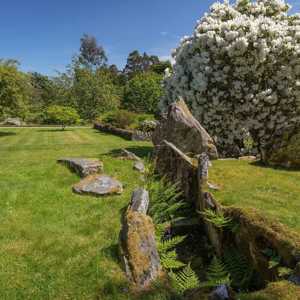
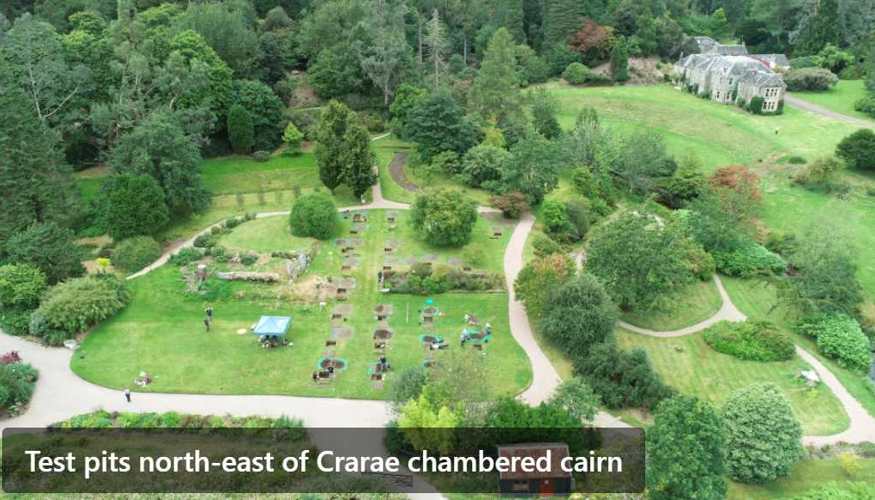
Crarae has an incredibly rich history. Over the last 50 years, Trust archaeologists have uncovered and radiocarbon-dated the earliest evidence of humans at Crarae: a 6,000-year-old midden (rubbish pit) that was full of shells, including cockles, oysters and periwinkles. It lay beneath the forecourt of the Neolithic chambered burial cairn that you can see in the lower garden today.
The cairn was built by early farmers to house the skeletons of their ancestors. The remains of three people, two of whom had been cremated, as well as fragments of pottery and a flint arrowhead, were found in the chamber. Nearby there is a Bronze Age round cairn, which is likely to have been the resting place of an important individual.
After the Neolithic period, nothing is known of the people living here until around AD 750 when early Christians, it is thought, built a chapel and carved a stone cross, which is still preserved in nearby Cumlodden church. Recent archaeological evidence suggests a thriving medieval farming and trading community around Killevin parish church. According to tradition, the church here was dismantled and transferred stone by stone to the side of Loch Awe, where the new church for the parish was built. People continued to be buried in Killevin graveyard, just over the wall of the lower garden, which contains the mausoleum of the Campbells of Lochbuie, built in 1707.